Last updated November 22, 2026
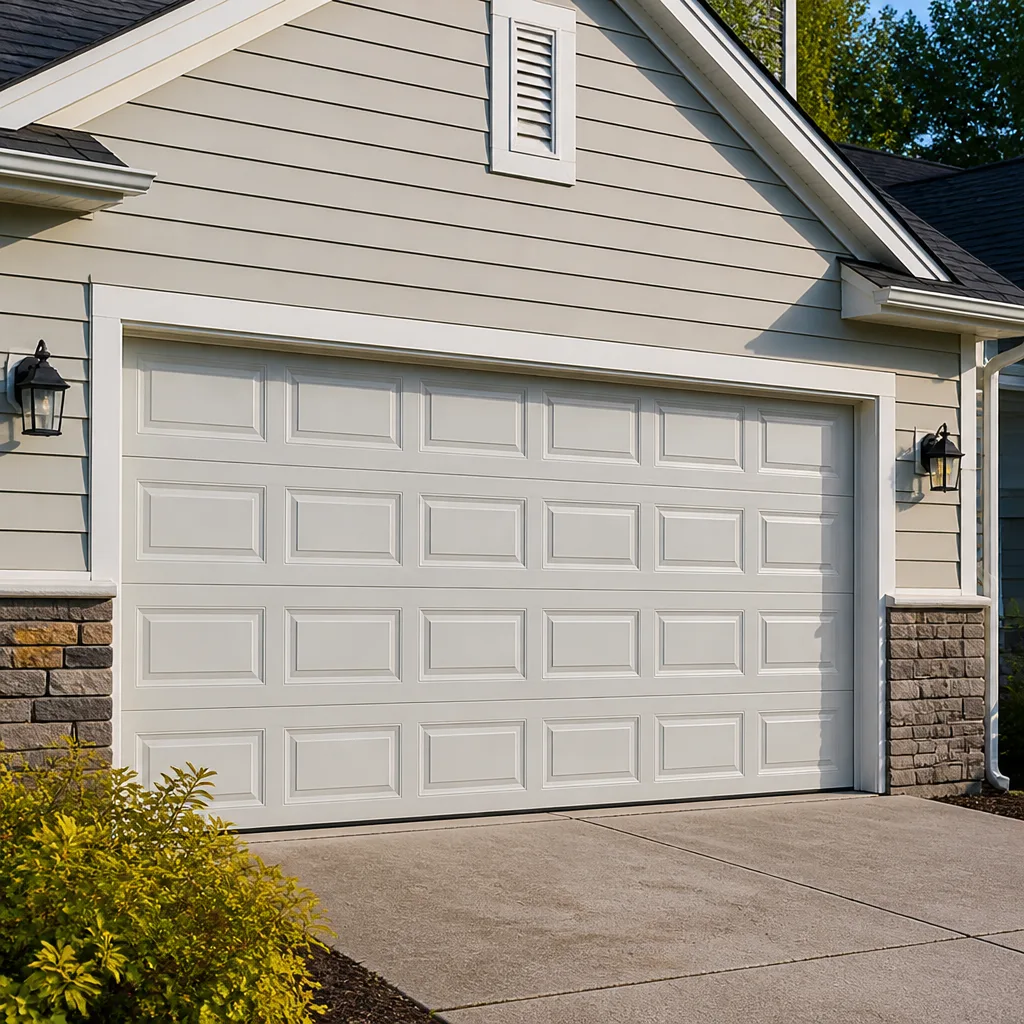 Raised-panel steel
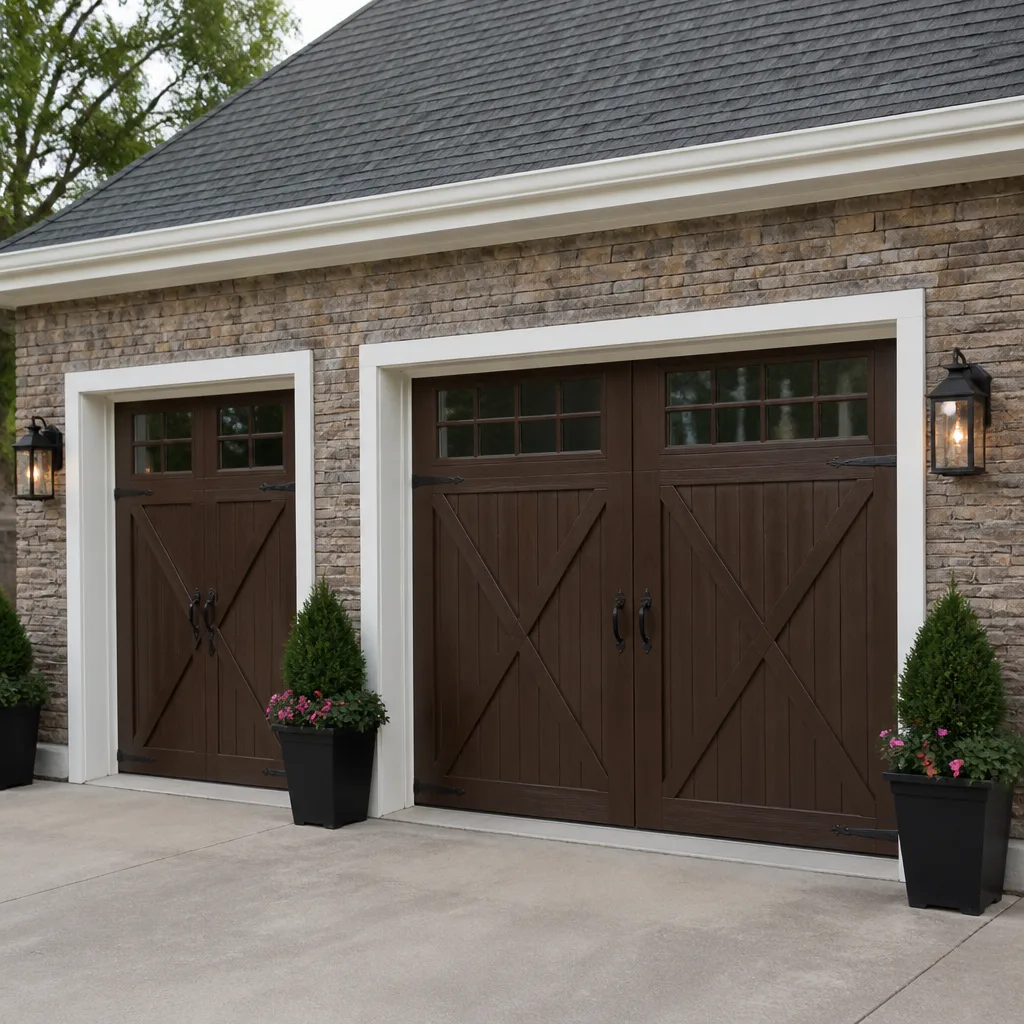 Carriage house
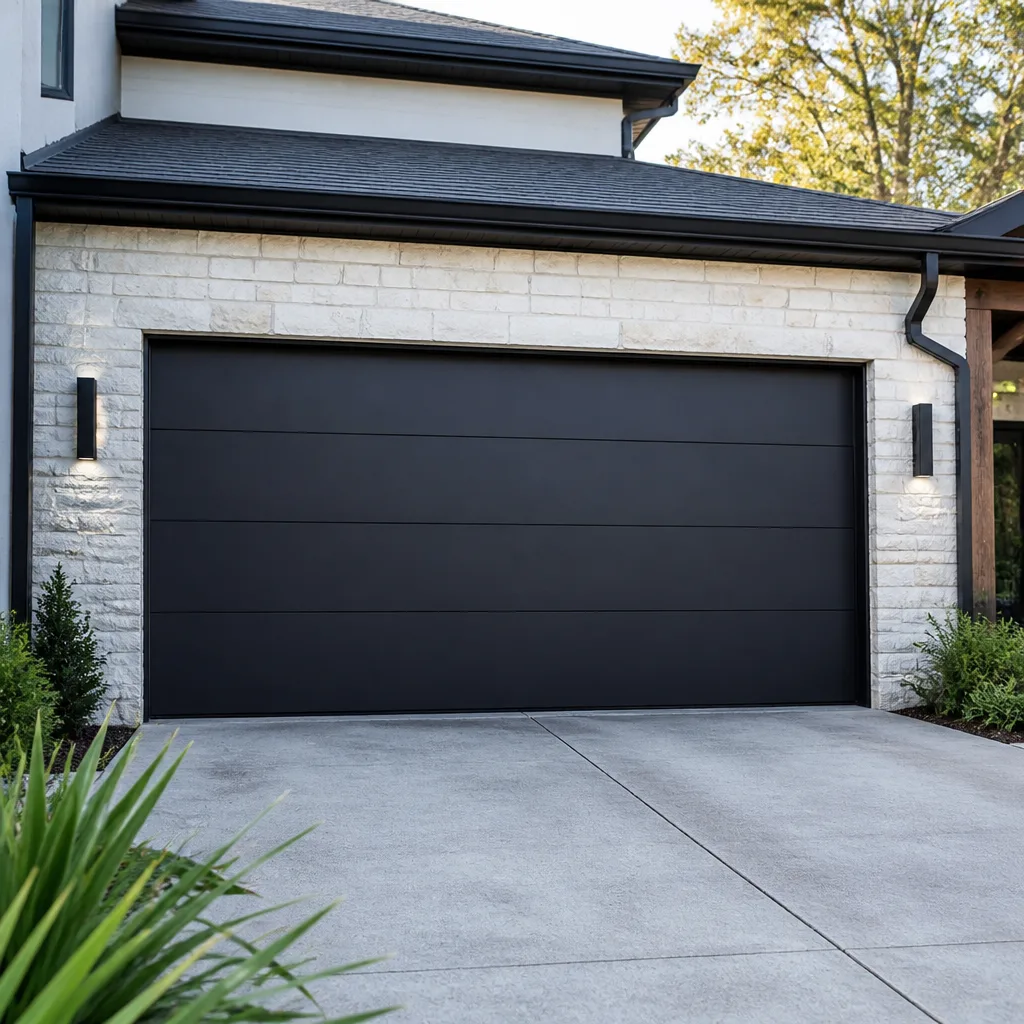 Modern flush
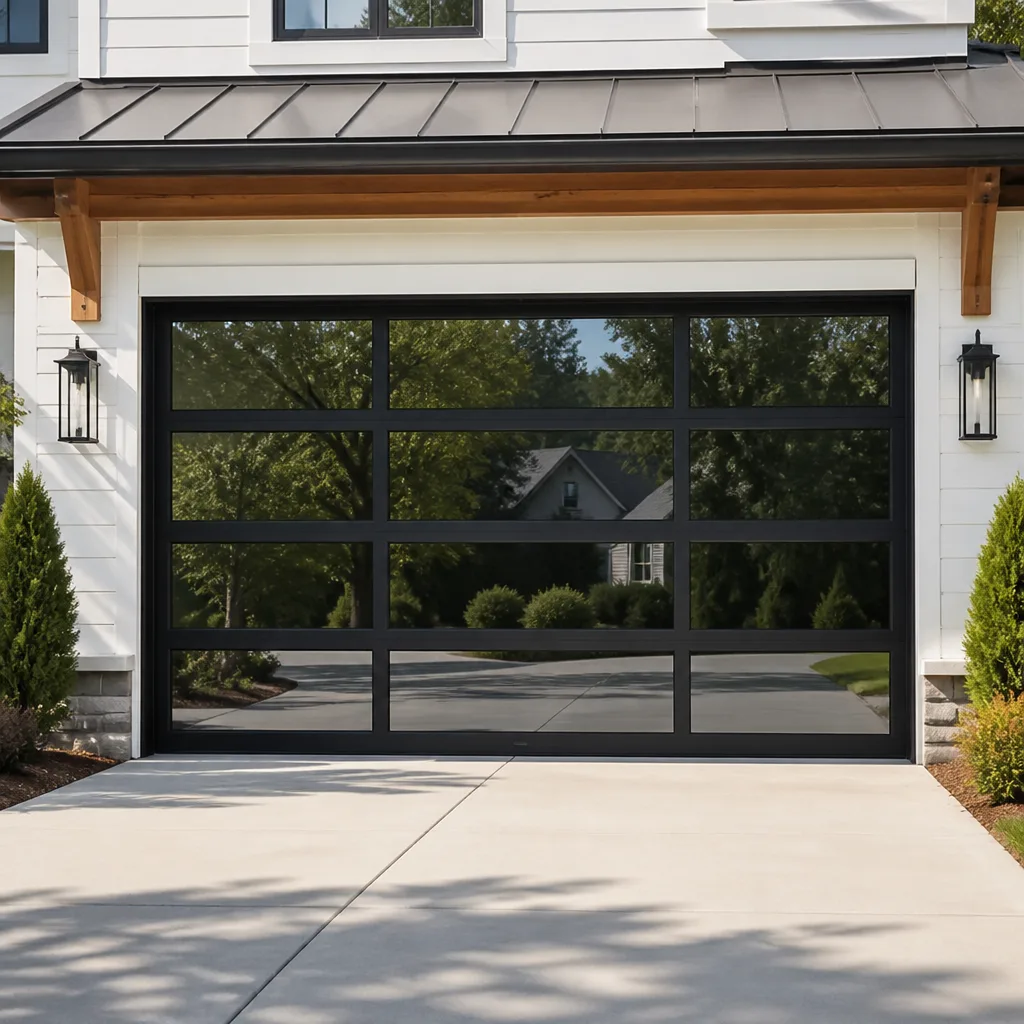 Full-view glass
 LiftMaster openers
 Chamberlain openers
Full 25-point door and opener safety check with every visit - springs, cables, rollers, tracks, and your LiftMaster or Chamberlain opener included
You get a price before we start. It does not change when the pro arrives.
Get your free estimateGarage Door Warning Signs: An Upper Arlington Homeowner’s Reference Guide
That grinding sound your door makes on cold mornings isn’t the door warming up. It’s a roller wearing through its nylon sleeve, and when that sleeve finally goes, the door rides metal-on-metal and can drop off-track. Upper Arlington winters are hard on garage doors. Road salt tracked in on tires, freeze-thaw cycles that work on every hinge and bearing, and hundreds of open-close cycles a season all wear parts that most homeowners never look at. The good news is that garage doors rarely fail without warning. They tell you what’s wrong through sound, movement, and timing. This guide translates those signals into the mechanical causes behind them, so you know what’s a minor adjustment and what needs a call today.
Quick Answer
A garage door that grinds, squeals, pops, or bangs is telling you a specific part is failing, and a door that rises unevenly, reverses on its own, or closes with a hesitation usually has a spring or cable problem rather than an opener problem. Stop using the door immediately if you see a frayed cable, a gap in the spring coil, or the door hanging crooked. For everything else, you can schedule a repair before it becomes an emergency. Our technicians have up to 13 years of experience reading these exact symptoms, and we work on LiftMaster, Chamberlain, Craftsman, Raynor, and four other major brands.
Styles & brands we work with
- Raised-panel steel
- Carriage house
- Modern flush
- Full-view glass
- LiftMaster openers
- Chamberlain openers
Table of Contents
- What Do the Sounds Your Garage Door Makes Actually Mean?
- Which Visual Warning Signs Do Most Homeowners Miss?
- How Is Your Opener Behaving? It’s a Diagnostic Tool
- Why Does My Door Descend Slowly or Hesitantly?
- When Should You Stop Operating the Door Entirely?
- When Is It Safe to Keep Using the Door While You Schedule a Repair?
- How Do Upper Arlington Seasons Accelerate Wear?
- A Step-by-Step Diagnostic Walkaround
What Do the Sounds Your Garage Door Makes Actually Mean?
Every garage door sound comes from a specific component, and the sound changes as that component wears. Learning to tell them apart is the fastest way to know whether you’re looking at a quick adjustment or a part that’s about to fail completely.
Grinding. A grinding noise usually points to a roller that has worn through its nylon or steel sleeve, or to a bearing plate that’s dry. When a roller loses its smooth outer layer, the steel stem grinds against the track. Left alone, that grinding leads to the roller seizing and the door riding up crooked and eventually jumping the track.
Squealing. High-pitched squealing typically comes from torsion springs or the hinges. Springs that squeal are often telling you the coil is binding or the spring is nearing the end of its life. A little squeal on a hinge is often just a lubrication issue.
Popping. A loud pop, especially one followed by a door that suddenly feels much heavier, usually means a torsion spring has snapped. This is an emergency scenario and needs to be handled by a trained professional. Here’s the safety caveat that matters: torsion springs are under extreme tension, and a homeowner adjusting one with hand tools is risking serious injury. We handle spring work so you don’t have to.
Banging. Repeated banging on the way down can mean the door is hitting an obstruction, the track has come loose from the frame, or the opener’s travel limits have drifted. If you find yourself hearing it in Upper Arlington, get it looked at before a track failure turns into a fallen door.
Which Visual Warning Signs Do Most Homeowners Miss?
Homeowners tend to look at the door from the driveway, not from underneath. The most important warnings are visible only when you actually look at the hardware near the ceiling. Here’s what to check:
- Cable fraying near the drum. The cables that lift the door run along the tracks to a drum near the top of the door. Frayed, kinked, or rusted cables are a hard stop sign. A cable that fails under tension can whip and cause serious injury, so this is not a repair to attempt at home.
- Gaps or sagging in the torsion spring coil. A torsion spring has an even coil when healthy. A gap in the coil, a visibly stretched section, or a spring that has clearly snapped means you shouldn’t operate the door until it’s repaired.
- Asymmetrical spring tension. Extension springs (the ones mounted above the track) should look the same on both sides. If one looks stretched and the other doesn’t, the door is lifting unevenly and the weaker spring is carrying the load.
- Bent or misaligned tracks. Stand at the door and look along both vertical tracks. Any bend means the rollers are fighting the track.
- Loose hinges, bolts, or brackets. Grab a hinge and try to wiggle it. A properly tightened hinge shouldn’t move.
- Daylight under the bottom seal. Daylight visible under a closed door means the seal has compressed or the door isn’t closing fully, which affects weatherproofing through Upper Arlington’s cold months.
The rule of thumb: if you can see the problem from the driveway, it’s cosmetic. If you have to look at the hardware to find it, it’s mechanical, and mechanical problems get worse fast.
How Is Your Opener Behaving? It’s a Diagnostic Tool
Most homeowners assume a misbehaving opener is an electrical problem. In our experience, it’s usually mechanical. The opener is a fairly simple motor, and when it starts acting strangely, it’s often responding to resistance from the door itself.
An opener that reverses unexpectedly. The door goes down, hits something or senses unusual resistance, and reverses back up. On modern openers from LiftMaster or Chamberlain, this is a built-in safety feature called force detection. When it triggers repeatedly with nothing in the way, the door is binding, the track is misaligned, or a roller is dragging. The opener is doing its job; the door isn’t.
An opener that runs longer than usual. If the motor grinds for two seconds longer than it used to before the door starts moving, the drive gear is worn or the door is heavier than it should be. Heavier doors usually point back to spring tension loss.
An opener that works with the wall button but not the remote. This is usually a genuine opener problem – a battery, a receiver, or a logic board. It’s worth a look at garage door opener repair for that kind of symptom, since opener boards are their own diagnostic job.
Getting the diagnosis right matters. Calling for an opener repair when the actual problem is a failing spring wastes time and money. Our technicians are factory-familiar with LiftMaster, Chamberlain, Genie, Clopay, Amarr, Wayne Dalton, Craftsman, and Raynor equipment, so the diagnosis starts from what the hardware is actually doing rather than guesswork.
Why Does My Door Descend Slowly or Hesitantly?
A door that closes slowly, stalls partway, or hesitates at the top is usually telling you its torsion springs have lost tension. On a torsion-spring door, the springs hold most of the door’s weight in balance. As the springs weaken, the door has to be pushed down harder than the opener is providing, and the door moves sluggishly. It’s not the opener slowing down; it’s the door fighting gravity because the springs aren’t doing their job.
What to check first:
- Open and close the door by hand with the opener disconnected. If the door feels much heavier than it used to, or won’t stay put when you let go at the halfway point, spring tension has drifted.
- Listen for the opener motor laboring. A motor that sounds strained during descent is fighting resistance from the door.
- Look for uneven wear on the bottom seal. A door that closes unevenly (one side touching first) has spring or cable imbalance.
What not to do: don’t try to re-tension a torsion spring yourself. The spring is under many turns of tension, and getting it wrong can release that tension suddenly. This is the part of the trade that separates specialists from generalists, and it’s core work for us. If you’re in Upper Arlington and suspect spring trouble, garage door spring repair is the reason to call instead of pushing the button one more time.
When Should You Stop Operating the Door Entirely?
Not every warning sign means stop. Some do. Here’s the list that matters, and if any of these apply, unplug the opener (or disconnect the emergency release) and put the door up only by hand if that feels safe. Then call a professional.
- A snapped torsion spring. Do not run the door. Running the opener on a door with a broken spring will burn out the opener motor or break a cable, and the door may drop.
- A frayed or kinked cable. Cables under tension can fail suddenly. Do not run the door.
- Visible daylight between the tracks and the door frame. This means the door has come off-track. Running it further can warp the panels or drop the door entirely.
- The door hanging crooked or one side lower than the other. That’s a spring or cable imbalance and it can go from awkward to dangerous in a single cycle.
- A grinding or scraping you can feel through the door itself. That usually means a broken roller or a jammed track, and the door is metal-on-metal.
Stop-using symptoms are the ones that can hurt someone. Your garage door is your home’s heaviest moving part, and it deserves to be treated that way. If you have any of the above symptoms in Upper Arlington, call us and we’ll book an emergency visit rather than a standard repair appointment.
When Is It Safe to Keep Using the Door While You Schedule a Repair?
Other warning signs mean you can keep using the door short-term while you get on the schedule. Those are the minor-to-moderate symptoms:
- A single squealing hinge (usually lubrication).
- A grinding roller that’s still intact but noisy.
- An opener that occasionally needs the remote pressed twice.
- A bottom seal that’s compressed rather than torn.
- A door that’s slightly louder than it used to be but still moves evenly.
Even on these, you shouldn’t wait indefinitely. A worn roller is a $15 part today and a warped panel tomorrow. If you’re calling us to schedule, we can also talk through whether it’s a repair now or a replacement later. Our full range runs from a single broken part to a full new door, so the conversation doesn’t involve finding a different company if the repair turns into a replacement.
How Do Upper Arlington Seasons Accelerate Wear?
Garage doors age faster in Upper Arlington than in most of the country, and it’s not only the cold. It’s the freeze-thaw cycle plus everything that comes with it.
Winter. Below-freezing nights followed by above-freezing afternoons work on every metal joint, hinge, and bearing. Metal expands and contracts through the day, loosening bolts. Road salt tracked in on tires sits on hinges and rollers through the winter and eats the protective finish. Cold also stiffens the nylon outer layer on rollers, making them more brittle. A roller that would last five years in a dry climate can wear through in two or three here.
Spring. The freeze-thaw cycle loosens the concrete anchor points that hold the door tracks. If the door rattles more after the first warm week of March, suspect those anchors first.
Summer. Heat is gentler on the hardware but hard on the opener electronics. A LiftMaster or Chamberlain unit mounted to a ceiling that hits 110 degrees in July is running hotter than its designers intended. If opener logic boards or remote receivers start failing in August, that’s often why.
Fall. Leaves and debris work their way into the tracks. A few dry leaves in the track will create grinding and drag that mimics a bearing failure. Sweep the tracks in October and you avoid two-thirds of the “my door is suddenly noisy” calls we get in November.
The practical takeaway: an Upper Arlington garage door needs more observation, not less, at the change of each season. A squeal on a July morning is an annoyance. The same squeal on a January morning might be a roller about to fail.
A Step-by-Step Diagnostic Walkaround
If your door is doing something odd, this is the sequence to run. It takes about five minutes and gives you the information a technician would need to give you a useful answer over the phone.
- Stand outside the closed door and look at the horizontal gap at the top. It should be even end to end. A tilted door is a spring or cable imbalance.
- Disconnect the opener with the emergency release (usually a red cord hanging from the trolley) and lift the door by hand, just a few feet. It should feel lightweight and balanced. If you’re holding most of the weight, spring tension is low.
- Let go slowly at the halfway point. A balanced door stays put. A door that crashes down has weak springs or broken cables, and you should stop the walkaround here and call.
- Reconnect the opener and run the door once. Listen for grinding, squealing, popping, or banging. Note where in the cycle it happens: opening, closing, or at the start.
- Look at the springs. Torsion springs should have an even coil. Extension springs should look identical on both sides.
- Look at the cables where they wrap around the drums at the top of the tracks. Any fraying or kinks are a stop sign.
- Look at the tracks from a few feet back, kneeling so you’re looking along the length. Any bend or kink should be visible.
- Watch the opener light. If it flashes a repeating pattern, your opener is logging a fault code. Note the pattern and mention it when you call.
Run this walkaround once the door starts acting up, and again after any big weather change. If you’re seeing something on this list you’d rather not diagnose by phone, our team can put eyes on it. We offer free estimates in Upper Arlington, and reading the door’s condition is part of the visit.
Common Mistakes to Avoid
- Assuming a sluggish door needs a new opener. A door that closes slowly usually has weak springs, not a failing motor. Replacing the opener without addressing the door’s weight just wears out the new unit faster.
- Lubricating everything with WD-40. WD-40 is a solvent, not a lubricant. It’ll quiet a squeak for a week and leave the part drier than it started. A proper garage door lubricant on hinges and rollers is the right call.
- Adjusting torsion springs without training. This is the one mistake that can seriously injure a homeowner. Springs under tension are not a DIY repair, full stop.
- Ignoring a grinding roller because “it still works.” A roller making noise is a warning, not a quirk. That grinding goes from a fifteen-dollar part to a bent track and warped panels if you wait.
- Closing the door on a bent track because “it came down anyway.” A door forced through a bent track warps panels and can come off the rollers. Walking away is cheaper than fixing a dropped door.
- Putting off a seasonal look because nothing is obviously broken. A five-minute walkaround each fall catches Upper Arlington’s biggest wear patterns before they become emergency calls in January.
- Calling a general handyman for a spring or cable job. Springs and cables are specialized, high-risk work. A generalist may patch it, but they shouldn’t be the first call for the parts of the door that are under tension.
See the difference
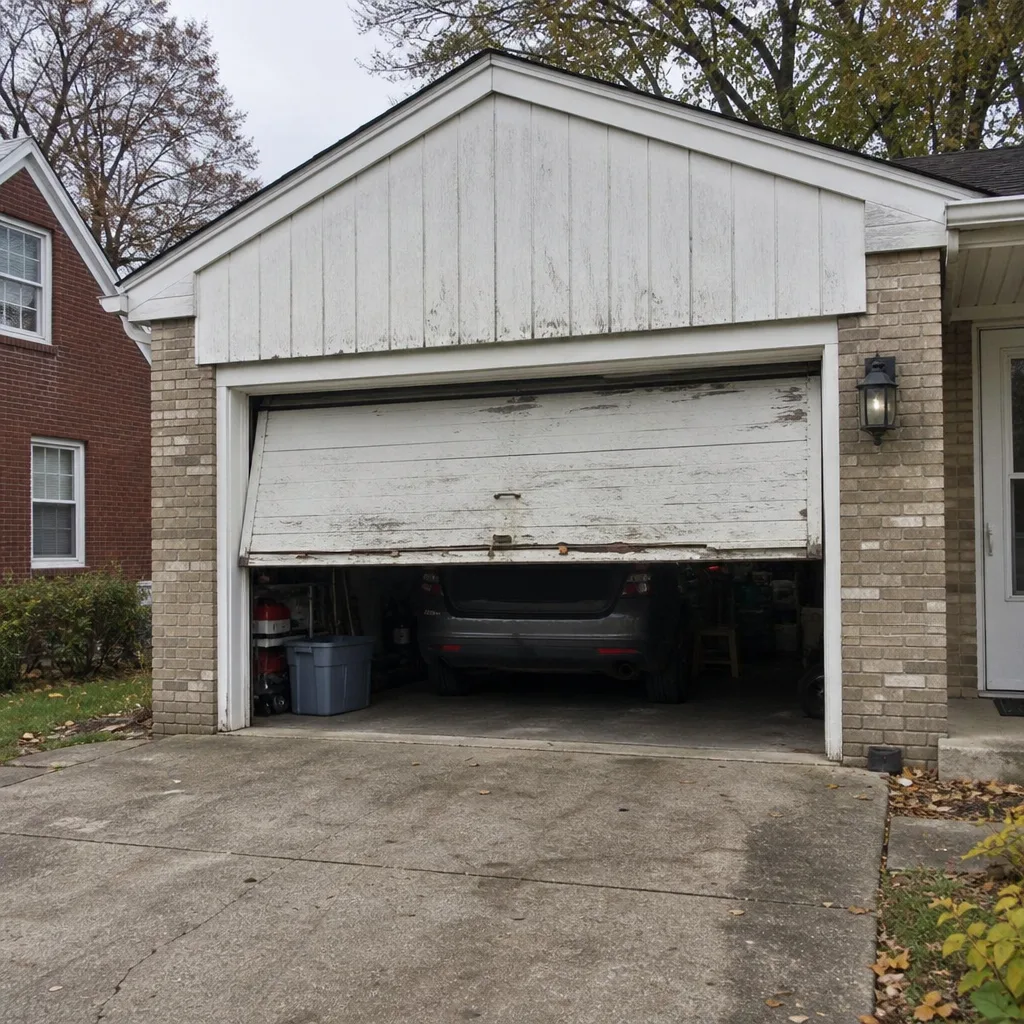 Before
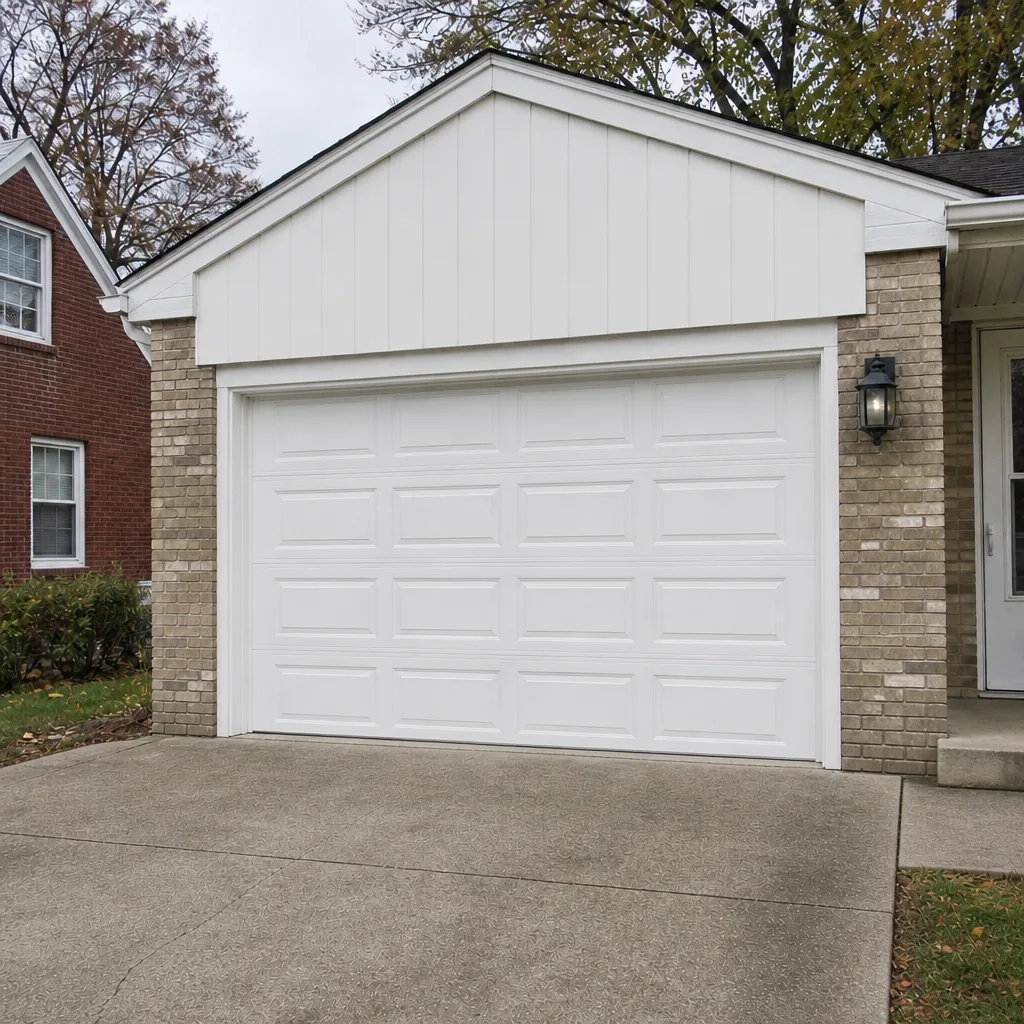 After
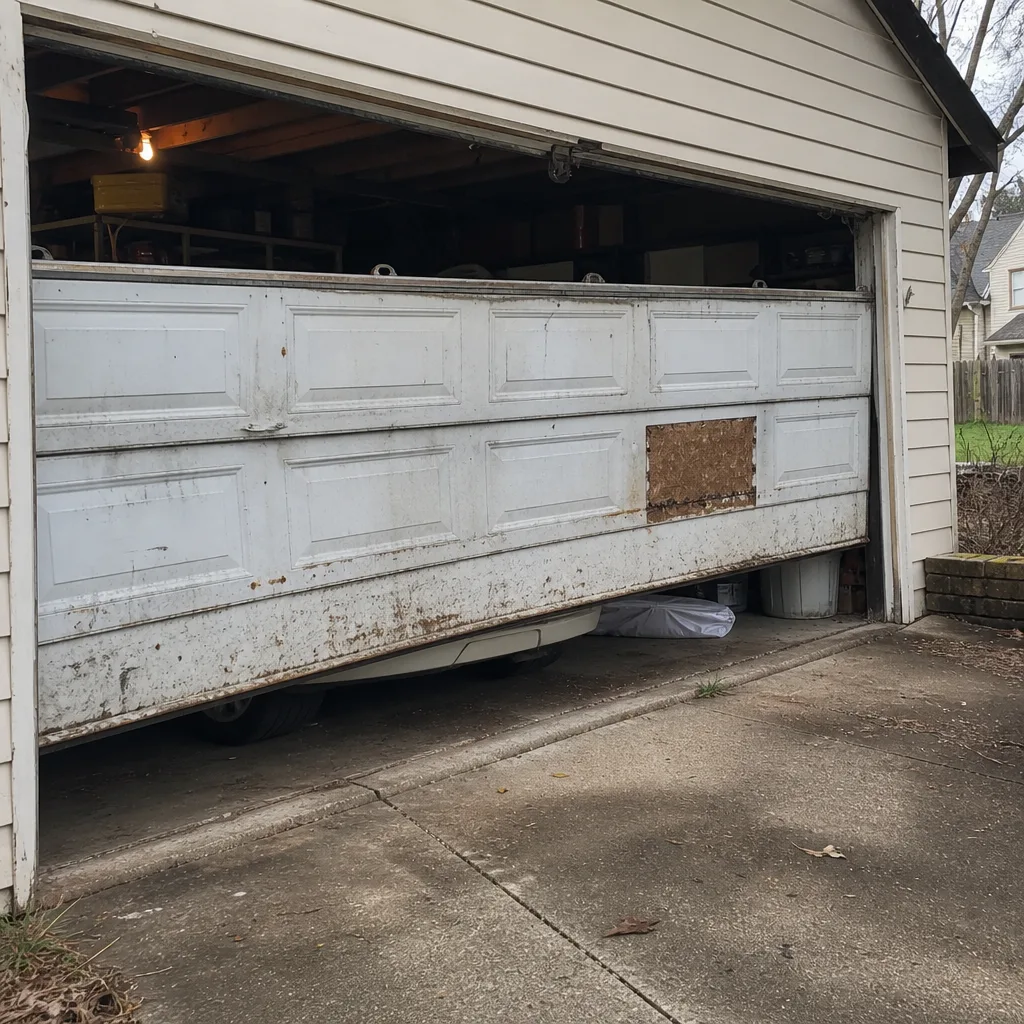 Before
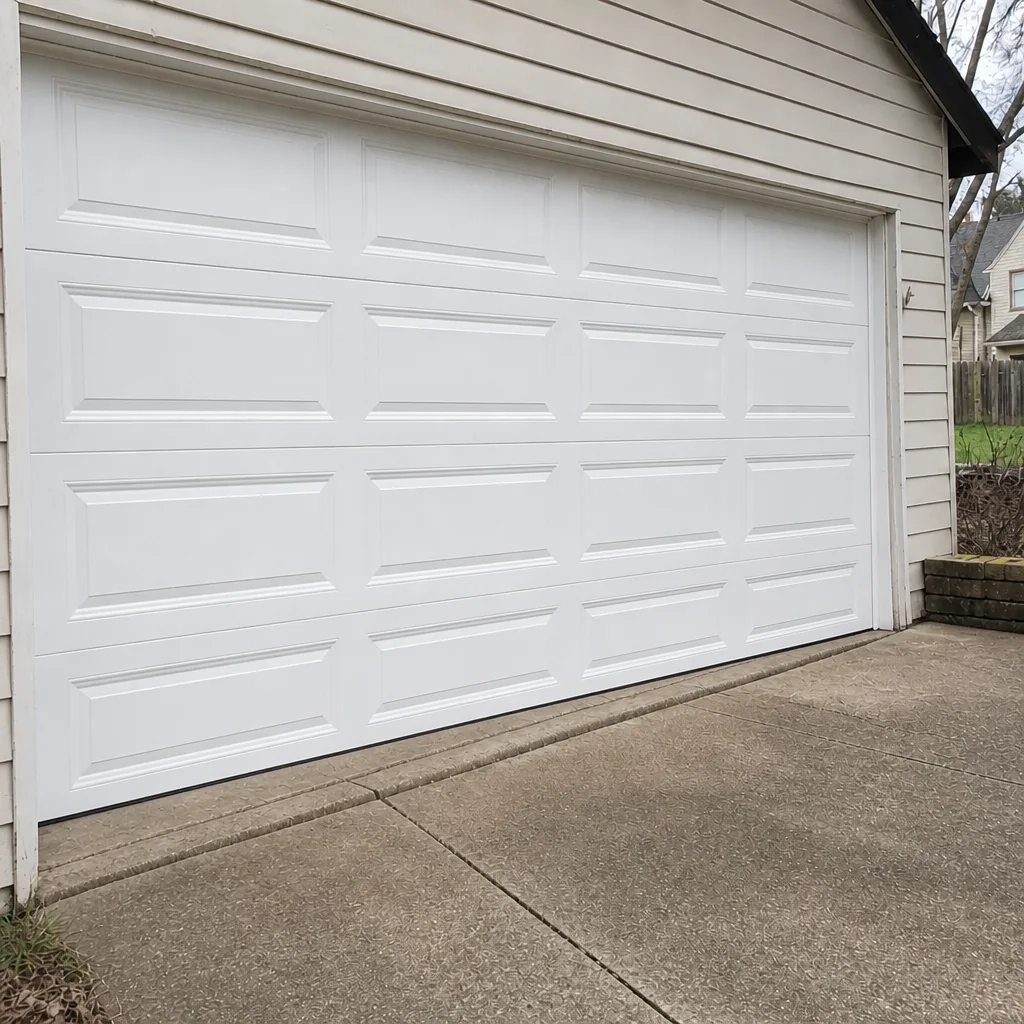 After
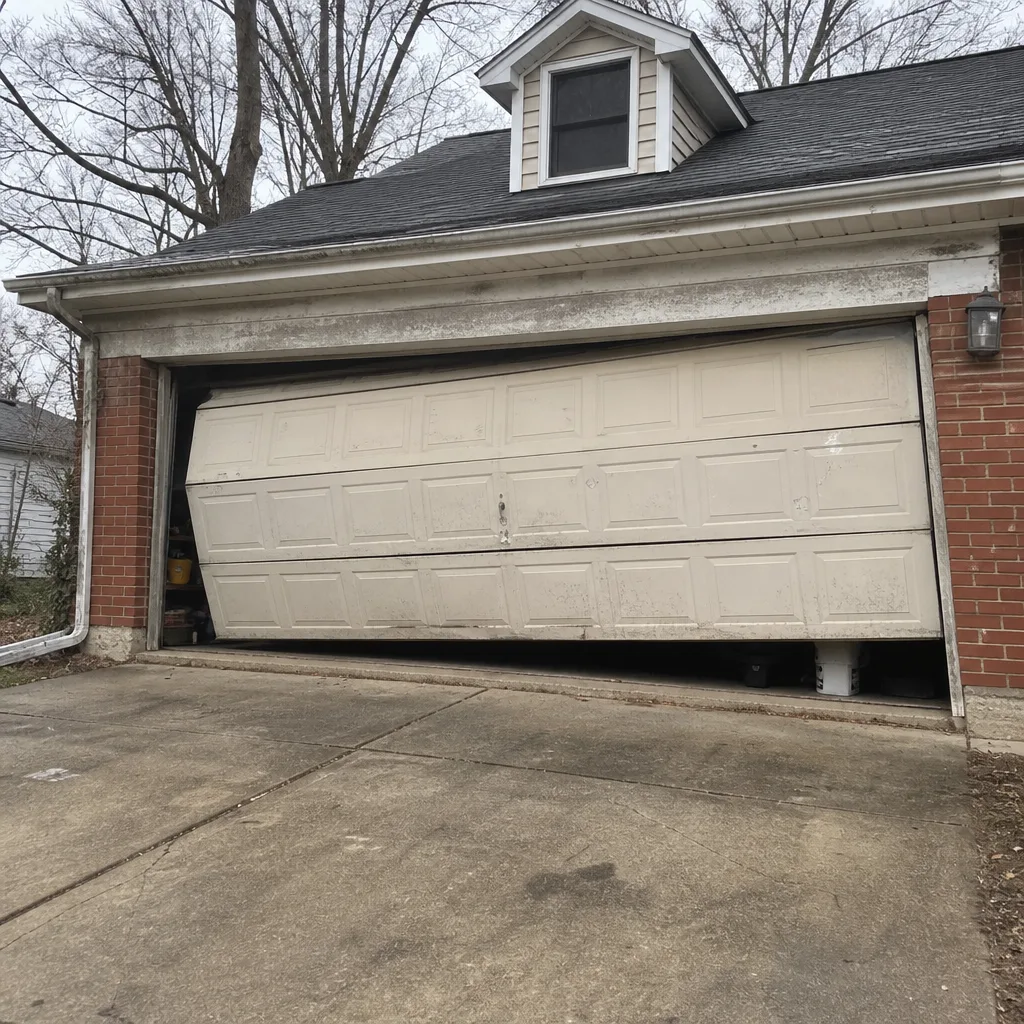 Before
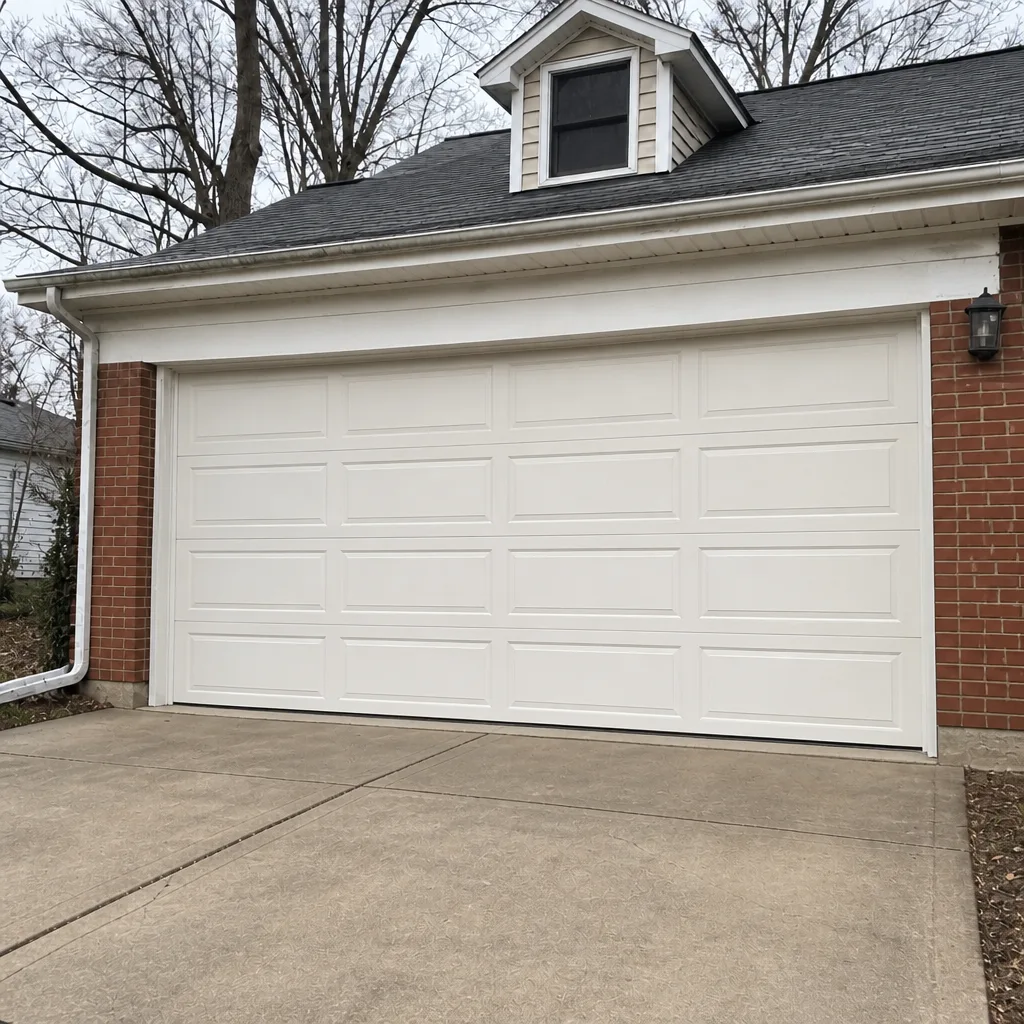 After
When to Call a Professional
Call us today if any of these apply: a snapped torsion spring, a frayed or kinked cable, a door hanging crooked, a door that reverses repeatedly with nothing in the way, or an opener that will not move the door at all. Those are the symptoms that risk injury or a fallen door, and they warrant a same-day visit rather than a scheduled one.
For the milder signals (noisy rollers, a slow-closing door, a squealing hinge, an opener that needs an extra button press), scheduling a non-urgent repair is the right move. You can keep using the door in the meantime. A grinding sound that persists for weeks is still something to look at, since it usually gets louder and more consequential.
We handle garage door repair across all of these scenarios, from a single part to a full door replacement, and we work on LiftMaster, Chamberlain, Genie, Clopay, Amarr, Wayne Dalton, Craftsman, and Raynor equipment. Garage Door Repair Upper Arlington offers free estimates in Upper Arlington – call (844) 554-0042. The written estimate you agree to before any work starts is the price you pay, and estimates are free.
Frequently Asked Questions
A grinding roller, almost always. The freeze-thaw cycle and winter road salt in Upper Arlington wear through roller nylon faster than in most climates, and grinding is the first sign. A grinding roller is cheap to replace now and expensive once it fails and the door comes off-track. Call (844) 554-0042 for a free estimate if you’re hearing it.
Not usually. A grinding roller that still rolls is a maintenance issue, and you can keep using the door while scheduling the repair. Grinding that comes with a crooked door, a scraping feel, or the door coming off-level is a stop-using situation. When in doubt, disconnect the opener and call. Estimates are free, and a phone call is a lot cheaper than a dropped door.
Weak torsion springs, nine times out of ten. The springs hold most of the door’s weight in balance, and as they lose tension the door becomes the opener’s job to push down, which it does slowly. An opener that closes a door slowly but works fine on a lightweight door is fine; if the same opener feels sluggish, the springs are the problem. Call us for a spring estimate.
No. Torsion springs are under extreme tension, and releasing that tension incorrectly can break a cable, drop the door, or seriously injure you. This is one of the few garage door repairs where the risk of self-repair is genuinely high, and it’s the reason spring work is a separate specialist job. Call (844) 554-0042 and we’ll take it from there.
Depends on the symptom. Noisy rollers, a slow-closing door, or a squealing hinge can go weeks without turning into a bigger problem if you schedule the repair. A frayed cable, a crooked door, or a snapped spring is a stop-using situation immediately. Call for a free estimate and we’ll tell you which category you’re in.
Very likely. Our technicians are factory-familiar with LiftMaster, Chamberlain, Genie, Clopay, Amarr, Wayne Dalton, Craftsman, and Raynor equipment, which covers most doors and openers in Upper Arlington. Same for older Craftsman and Raynor units that other shops are reluctant to touch. Call (844) 554-0042 and tell us the brand and model if you know it.
The Bottom Line
Garage doors telegraph their problems through sound, movement, and timing. A grinding roller, a squealing hinge, a popping spring, or a door that closes with hesitation isn’t a quirk – it’s the hardware telling you which part is next. The two rules that matter most: stop operating the door for a snapped spring, a frayed cable, a crooked door, or a persistent reversal; keep using it for the milder signals while you schedule the repair.
For Upper Arlington homeowners, seasonal observation matters more than most places, because freeze-thaw cycles and winter road salt wear parts faster here. A five-minute walkaround each fall and each spring catches the majority of these issues before they become emergency calls.
Our technicians have up to 13 years of experience reading these exact symptoms, we handle springs and openers across eight major brands, and we offer emergency service when a fix can’t wait. If you’ve read this far and something on this page describes your door, call us. You can also reach us here to schedule a free estimate, and we’ll send a trained technician to read the door’s condition in person.
Call (844) 554-0042 for a free estimate. The written estimate you agree to before any work starts is the price you pay. From a single broken part to a full new door, we’ll get you back up and running today when the situation calls for it.
Written by the team at Garage Door Repair Upper Arlington.