Last updated November 22, 2026
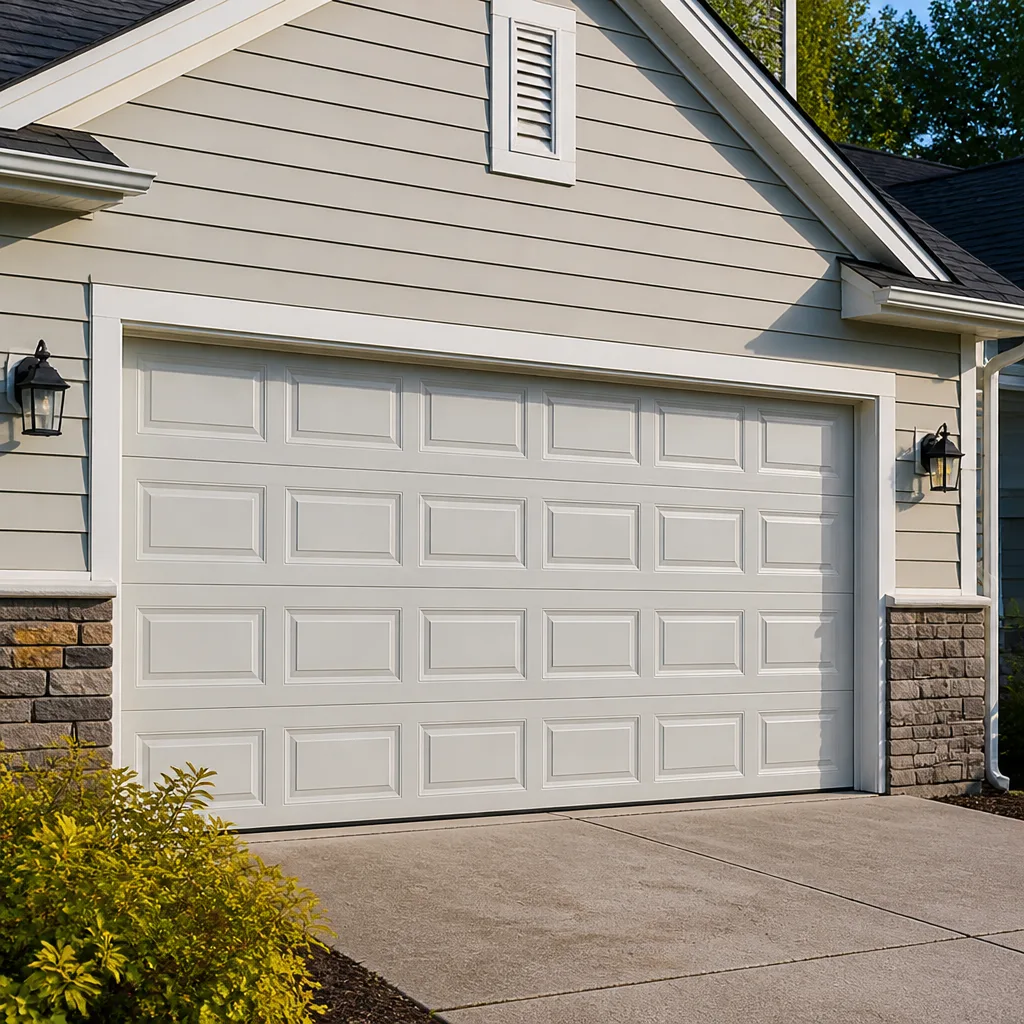 Raised-panel steel
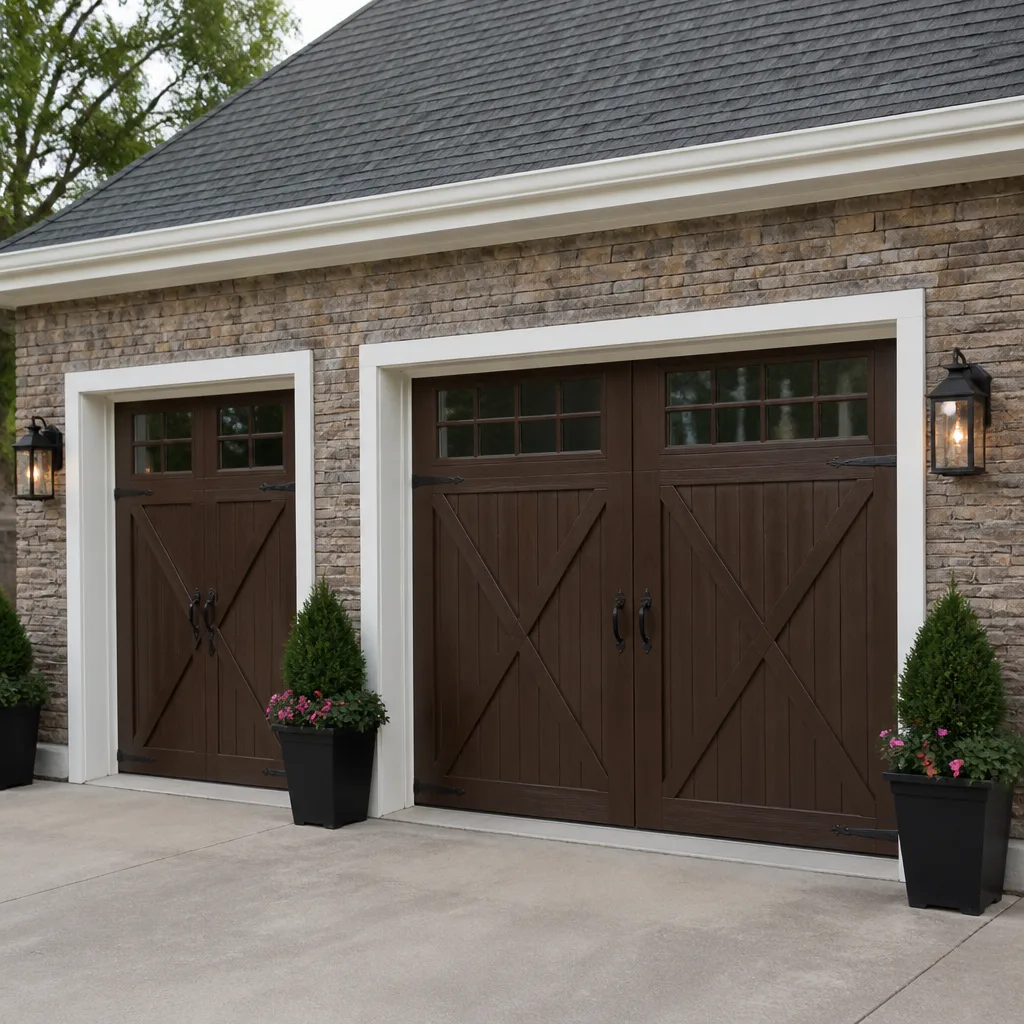 Carriage house
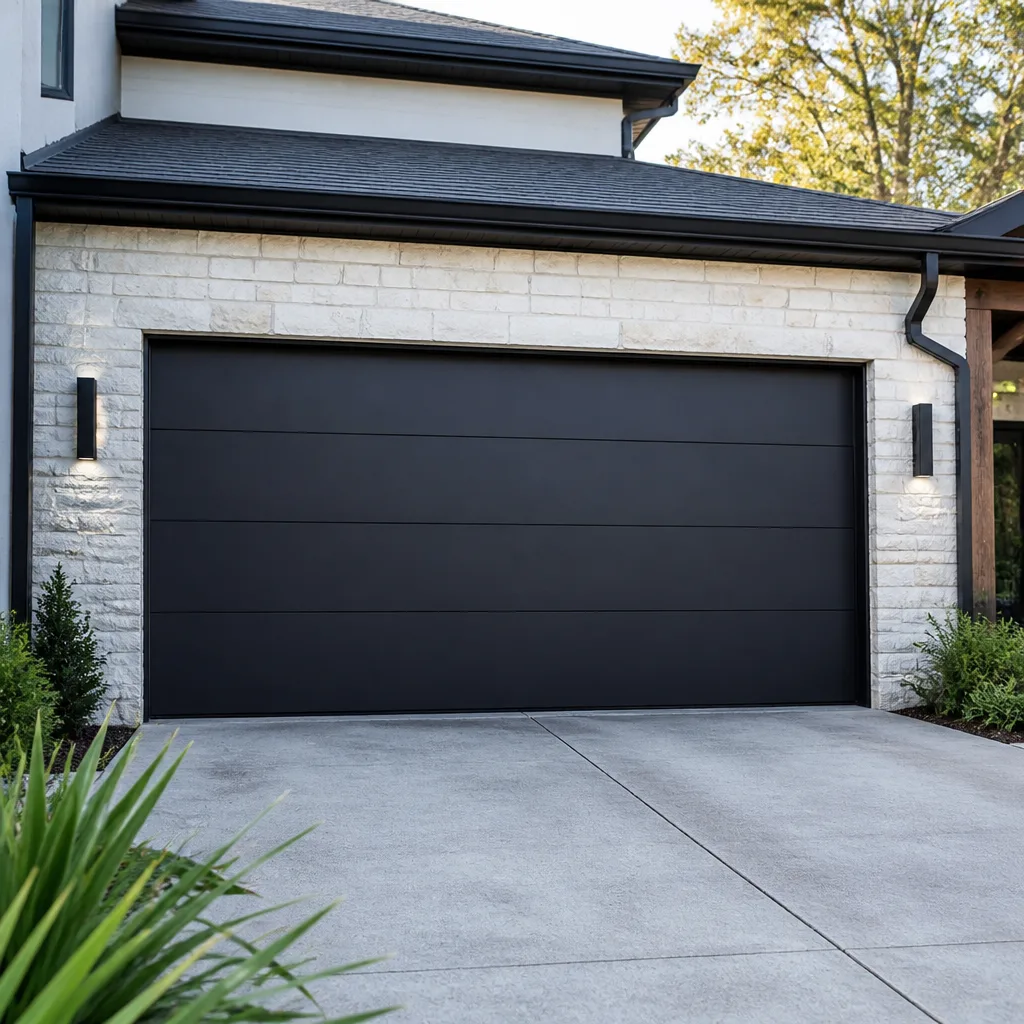 Modern flush
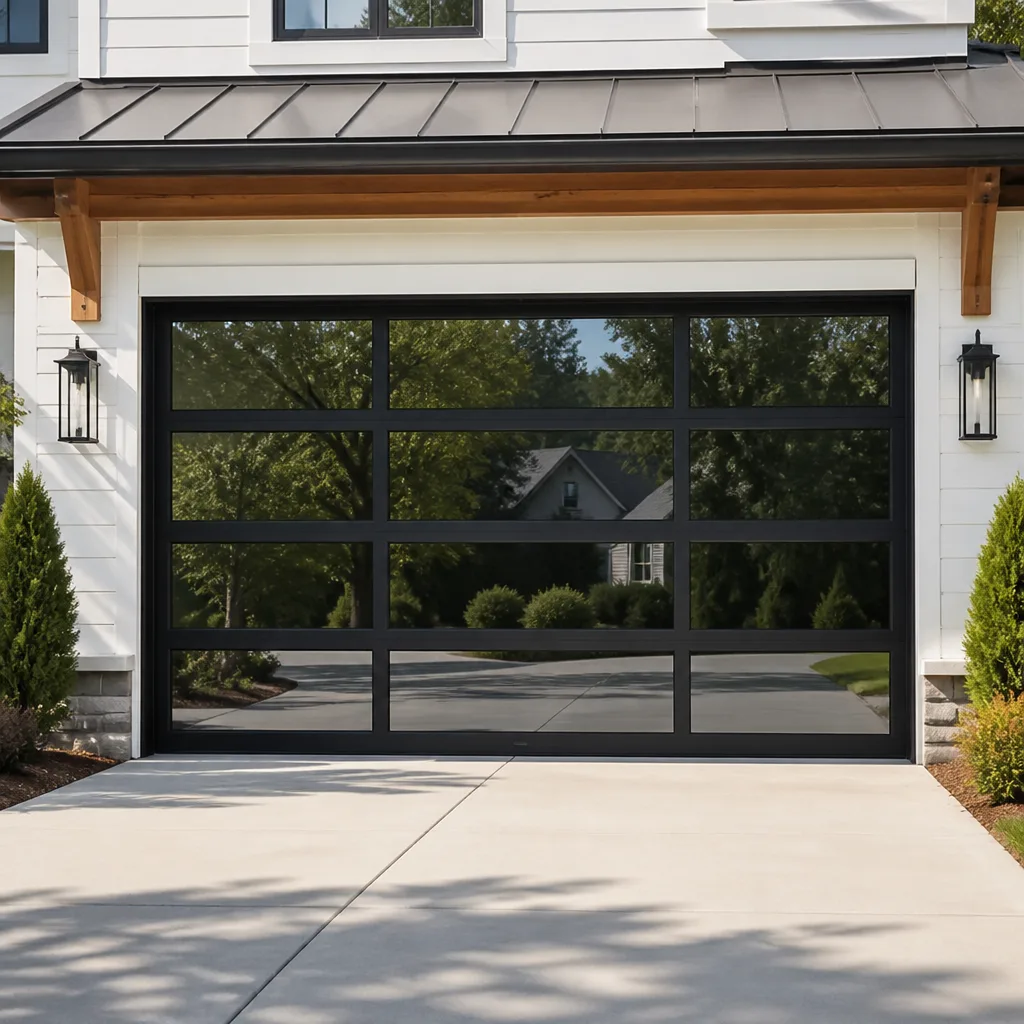 Full-view glass
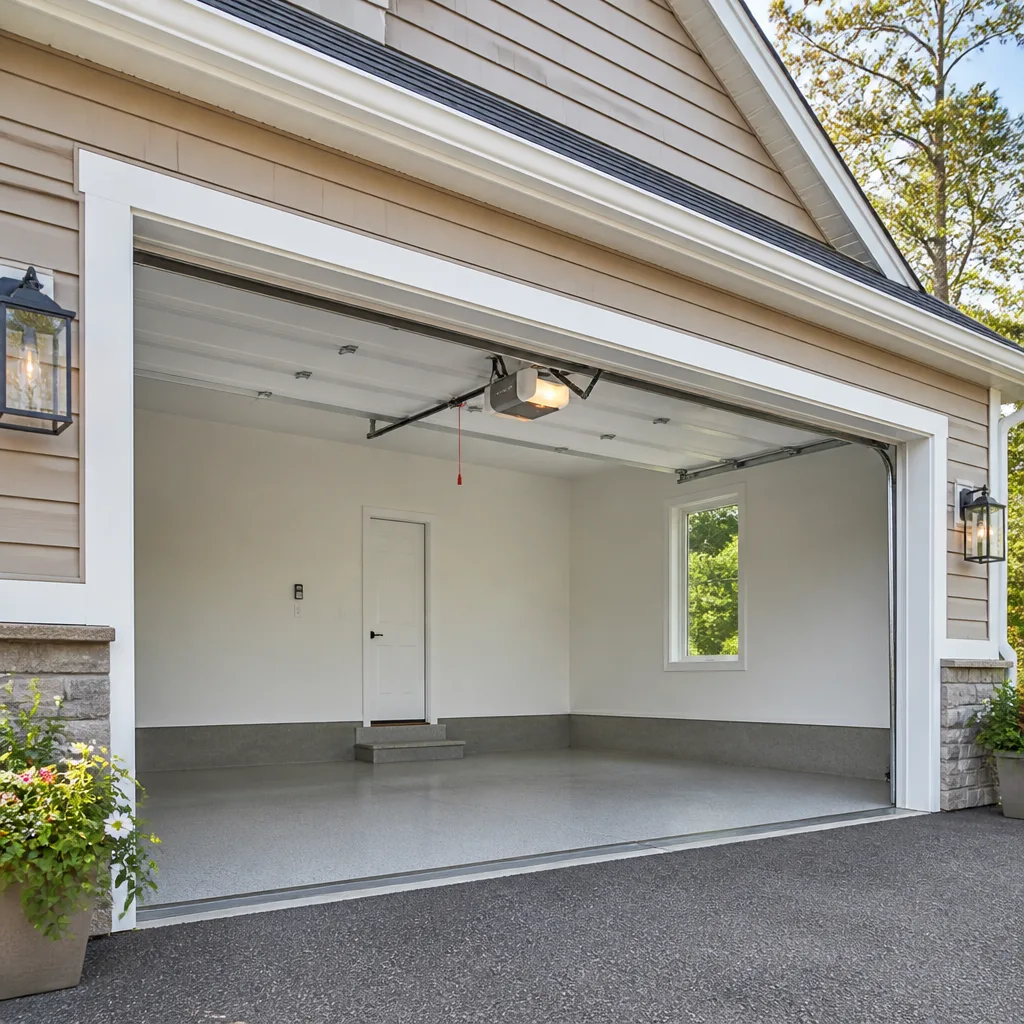 LiftMaster openers
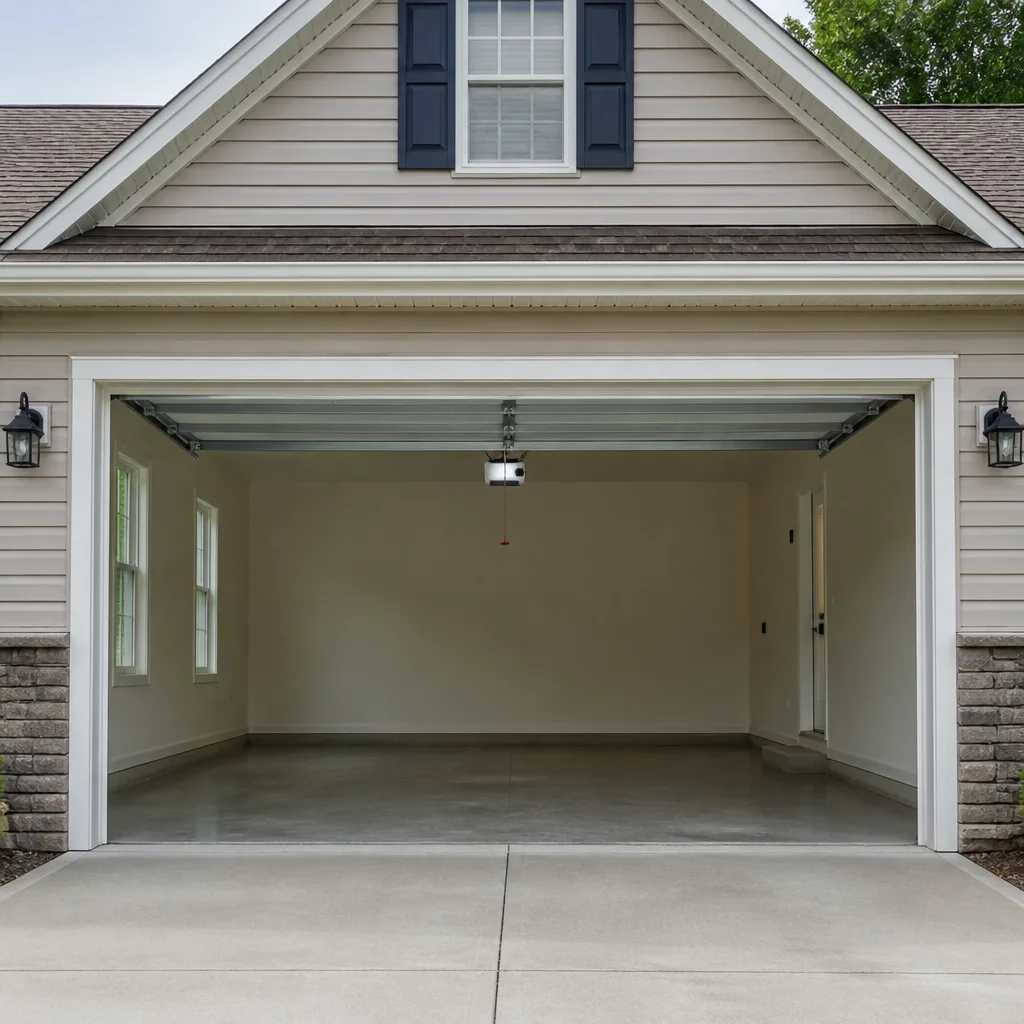 Chamberlain openers
Full 25-point door and opener safety check with every visit - springs, cables, rollers, tracks, and your LiftMaster or Chamberlain opener included
You get a price before we start. It does not change when the pro arrives.
Get your free estimateSeasonal Garage Door Care for Upper Arlington: Year-Round Homeowner’s Guide
Your garage door doesn’t care what month it is. It cares that it’s 14°F and the lubricant in your rollers has thickened to the consistency of cold honey. Most seasonal maintenance advice treats the calendar as the enemy, but in Upper Arlington the real enemy is temperature. A door that runs fine at 68°F can bind, strain, or trip its opener’s overload protection at 15°F, and a door that’s silent all winter can swell shut in July’s humidity. This guide maps the specific thresholds where garage doors start behaving differently, what those thresholds do to each component, and how Upper Arlington’s tree canopy and freeze-thaw cycle fit into the picture. You’ll finish with a maintenance sequence you can actually follow.
Styles & brands we work with
- Raised-panel steel
- Carriage house
- Modern flush
- Full-view glass
- LiftMaster openers
- Chamberlain openers
Quick Answer
Seasonal garage door care in Upper Arlington comes down to four checkpoints: lubricate metal moving parts before the first hard freeze (white lithium grease thickens noticeably below about 20°F and puts extra load on the opener), inspect and replace the bottom weather seal after winter’s freeze-thaw cycles, clear leaf debris from the bottom track in fall so it can’t pull a cable out of its drum, and run a full balance, spring, and safety-reverse check each spring before small cold-season wear compounds into a failure.
Table of Contents
- How temperature thresholds change your door’s behavior
- Winter prep: what to do before the first hard freeze
- Freeze-thaw cycles and your bottom weather seal
- Summer humidity and the wood door swelling question
- Fall leaf debris and bottom-track cable derailment
- The spring checkup sequence, in order
- Brand-specific notes for Upper Arlington homeowners
- Common mistakes to avoid
- When to call a professional
- Frequently asked questions
How Temperature Thresholds Change Your Door’s Behavior
Your garage door is a machine with tight tolerances, and those tolerances shift with temperature. This is the single most useful thing to understand about seasonal care, and it’s the part most maintenance checklists skip. The door doesn’t fail because it’s winter. It fails because a specific lubricant reached a specific viscosity, or a specific seal lost a specific amount of flexibility, or a specific cable stretched a millimeter more than it did in the fall.
Here’s how the main components respond to the cold end of an Upper Arlington winter:
- Rollers and hinges below roughly 20°F. Standard white lithium grease stiffens as the temperature drops. By the mid-teens it can feel closer to cold honey than to grease, and the extra drag shows up as an opener that seems to labor, hesitate, or stop mid-travel. That hesitation is often the opener’s overload protection kicking in, not a failing motor.
- Springs below freezing. Steel gets marginally less ductile in cold, which matters most when a spring is already near the end of its life. Cold doesn’t cause a failure so much as it removes the margin.
- Weather seals below about 25°F. Rubber and vinyl stiffen and stop conforming to the floor. A door that seals cleanly in October can leave visible gaps in January.
- Wood and composite panels. Wood contracts in cold, which can loosen joints and hardware over a long season. The opposite happens in summer humidity.
For Upper Arlington homeowners, the practical takeaway is that the lubrication you apply in late fall isn’t cosmetic. It’s a load reduction on the opener motor. Choose a lubricant rated for low temperatures rather than an all-purpose grease, and apply it to rollers, hinges, and the torsion or extension spring coils with the door in the closed position. Never lubricate the tracks themselves; that attracts grit and makes the rollers slide rather than roll.
Winter Prep: What to Do Before the First Hard Freeze
Winter prep in Upper Arlington should be finished before the first stretch of nights in the low twenties. Once the ground freezes and the door is stiff every morning, you’re working against the conditions instead of ahead of them. A single focused session in late fall covers it.
Work through this sequence in order:
- Lubricate metal moving parts – rollers, hinges, spring coils, and the bearing plates – with a cold-rated lubricant. Wipe away excess so it doesn’t collect dust.
- Test the door’s balance by hand. Disconnect the opener (the release cord lets you do this yourself), lift the door to about halfway, and let go. A balanced door holds its position. A door that drops quickly is carrying spring wear that cold weather will amplify.
- Check the bottom seal for cracks and flat spots. Cold makes a worn seal brittle. Replace it before it fails, not after snowmelt starts getting underneath.
- Look at the weatherstripping around the frame and the threshold seal at the floor. Gaps here are where cold air enters and where ice can form against the bottom panel.
- Test the safety reverse. Put a piece of wood or a roll of paper towels under the closing door. It should reverse on contact. Test the photo-eye safety sensors the same way by blocking the beam.
- Listen to the opener on a genuinely cold morning. A motor that strains at 18°F but runs normally at 50°F is telling you about friction, not about its own health.
If the balance test in step two shows a door that won’t hold position, stop there. Sprung torsion hardware stores enough energy to cause serious injury, and adjusting it is not a homeowner task. That’s the point where a trained technician should look at it, and it’s what we handle routinely.
Freeze-Thaw Cycles and Your Bottom Weather Seal
A sustained cold snap is actually easier on your bottom seal than an Upper Arlington winter, which swings above and below freezing repeatedly from December through March. Each cycle freezes moisture into the seal and the floor joint, then releases it. The seal flexes, compresses, and re-expands dozens of times a season, and the material fatigues at the fold lines. That’s why the bottom seal, not the springs, is the component most likely to be the first thing you replace after a typical winter here.
What that means for choosing a replacement:
- Look for a seal rated for cold flexibility rather than the cheapest generic option. A vinyl or rubber blend that stays supple below freezing will outlast a stiffer one in this climate.
- Match the profile to your door – a single-channel retainer takes a different seal than a double-channel. Amarr and Clopay doors in particular use distinct retainer profiles, and getting the wrong one is a common reason a DIY seal replacement doesn’t close the gap.
- Check the floor, not just the seal. If the concrete at the threshold has cracked or spalled from freeze-thaw, a new seal alone won’t sit flush. That’s a threshold repair, not a weatherstrip repair.
- Watch for ice damming at the base of the door. Water that pools and refreezes against the bottom panel can push the seal out of its channel. Keeping the apron clear of snow and ice prevents it.
In our experience, an Upper Arlington seal that has been through several winters will show hairline cracks along the fold and a flattened contact edge. Both are signs it’s no longer sealing, even if it still looks intact from standing height.
Summer Humidity and the Wood Door Swelling Question
Upper Arlington summers bring humidity that wood doors and wood-framed openings respond to directly. Wood absorbs moisture and expands, and a door that fit its opening in April can bind against the frame by August. The tricky part is telling that apart from a track problem, because both produce the same symptom: a door that drags or sticks partway up.
Here’s how to distinguish them without guessing:
- Wood swelling is seasonal and symmetrical. The binding appears in humid months, affects both sides of the door, and eases when the weather dries. Look at the gap between the door edge and the frame jamb; if it’s visibly tighter than in spring, expansion is the cause.
- Track problems are positional. The door binds at the same height regardless of humidity, usually because a track has been bumped, shifted, or has a buildup of debris. Run your hand along the inside of the vertical track; a dent or misalignment is a track issue.
- Hardware problems are local. A single stiff hinge or a seized roller produces a catch at one point in travel, not a general drag.
For wood doors, the fix for seasonal swelling is usually adjustment of the hinges and jamb hardware rather than track work, plus attention to the finish on the door. Paint or stain that has failed on the edges lets moisture in faster. Wayne Dalton and Raynor doors come in both steel and wood-look options, and the maintenance path differs significantly between them; knowing which you have is the first step in diagnosing a summer binding complaint correctly.
Fall Leaf Debris and Bottom-Track Cable Derailment
Upper Arlington’s mature tree canopy is one of the things that makes the neighborhoods here distinctive, and it’s also why fall maintenance matters more here than in newer subdivisions. Leaves, seed pods, and small twigs collect in the bottom track and the gap between the door and the frame. When that debris works its way into the cable path, it can pull the cable off its drum. A derailed cable is not a minor annoyance; it’s a door that can drop unevenly or jam, and it usually means the door can’t be used until it’s repaired.
The fall routine that prevents it:
- Clear the bottom track by hand every couple of weeks through leaf season. Use a brush or a vacuum with a crevice tool, not compressed air, which drives debris deeper into the mechanism.
- Check the cable runs on both sides. Cables should sit cleanly in their drums at the top corners. A cable that looks slack or is riding off the edge of the drum needs attention before it fails.
- Look at the space between the door and the frame jambs for accumulated debris that can scrape the door as it travels.
- Clear the apron in front of the door so wet leaves don’t hold moisture against the bottom seal going into winter.
If a cable has already come off its drum or is visibly frayed, don’t cycle the door. Cables are under the same spring tension as the springs themselves, and a failing cable can whip. That’s a same-visit repair for a technician, and it’s one of the reasons we keep emergency availability in scope for Upper Arlington.
The Spring Checkup Sequence, in Order
The order of a spring inspection matters because each step feeds the next. Checking the door’s balance before you’ve looked at the springs, for instance, tells you the door is unbalanced but not why. Working from the simplest observations to the most diagnostic ones catches cumulative cold-season wear before it compounds.
Follow this sequence each spring:
- Visual sweep of the whole system first. Walk around the closed door and look at the tracks, cables, springs, hinges, and rollers. Note anything visibly bent, frayed, or loose before you touch anything.
- Clear and clean the tracks. Remove winter grit and debris. Wipe the inside of the vertical and horizontal tracks with a dry cloth. Don’t lubricate them.
- Check the springs for cold-season damage. Look for gaps in a torsion spring’s coils or stretched, elongated sections in an extension spring. Both indicate wear. Do not attempt to adjust or wind springs yourself; this is the most dangerous part of any garage door and it’s a job for a trained technician.
- Test the balance by hand with the opener disconnected, as described in the winter section. A door that won’t hold position needs spring service.
- Inspect the bottom seal and weatherstripping for the freeze-thaw damage covered above, and replace what’s failing.
- Test the safety reverse and the photo-eye sensors before returning the door to daily use.
- Run the door a few full cycles and listen. New noises at this stage are worth investigating before they become failures.
This sequence is also the moment to think about whether a repair is turning into a replacement conversation. If the door is over 15 years old, has had repeat spring or cable service, and the panels are showing rust or dents, the economics may point toward a new door rather than another repair. That’s a decision worth making with a written estimate in hand, and it’s the kind of service continuity we provide from repair through installation.
Brand-Specific Notes for Upper Arlington Homeowners
Knowing the brand of your door and opener shortens diagnosis time, because each manufacturer uses its own spring sizing, track profiles, and opener logic. We work on eight major brands – LiftMaster, Chamberlain, Genie, Clopay, Amarr, Wayne Dalton, Craftsman, and Raynor – so the parts sourcing and the diagnostic steps are familiar territory rather than guesswork.
A few brand-specific points that come up in Upper Arlington homes:
- Clopay and Amarr doors use distinct bottom-seal retainer profiles. Replacing a seal without matching the profile is the most common reason a new seal doesn’t fix the draft.
- Wayne Dalton and Raynor doors include both steel and wood-look models, and the summer swelling question only applies to the wood-framed and wood-faced variants. Identify the material before diagnosing a binding complaint.
- LiftMaster, Chamberlain, Genie, and Craftsman openers all have their own safety-reverse sensitivity adjustments and photo-eye wiring conventions. If a cold-weather overload trips on one of these, the adjustment is opener-specific.
- Smart-home openers – the Wi-Fi models in the LiftMaster, Chamberlain, and Genie lines – can log a fault code when the motor overloads due to cold-weather friction. That log is genuinely useful, and it’s worth checking before assuming the opener itself has failed.
When a repair turns into a replacement, staying with a brand we work on daily means the new door’s spring sizing and opener compatibility are handled correctly the first time.
Common Mistakes to Avoid
- Lubricating the tracks. It feels like maintenance, but it makes the rollers slide and collect grit. Lubricate the rollers, hinges, and springs, and leave the tracks dry and clean.
- Using standard white lithium grease in January. It thickens below about 20°F, adds drag, and can trigger the opener’s overload protection. Use a cold-rated lubricant for winter application.
- Ignoring a bottom seal that looks intact. Freeze-thaw cracks start as hairlines along the fold and only become visible from close up. Check the seal on your hands and knees, not from the driveway.
- Letting leaves sit in the bottom track through November. In Upper Arlington’s tree-covered neighborhoods this is the most common path to a derailed cable, and it’s entirely preventable with a brush and a few minutes.
- Diagnosing summer binding as a track problem. If the drag is symmetrical, seasonal, and eases in dry weather, it’s likely wood swelling, not a bent track. Adjustment and finish care solve it; track work won’t.
- Testing balance or springs with the opener still engaged. The balance test only means something with the opener disconnected. And no part of spring inspection should involve trying to adjust the springs by hand.
- Waiting until the door fails to schedule a spring checkup. The spring sequence is designed to catch cumulative cold-season wear before it becomes a snapped spring or a dropped door.
When to Call a Professional
Some seasonal care is yours to handle: clearing the tracks, lubricating metal parts, testing the safety reverse, and replacing a worn bottom seal. Other situations call for a trained technician, and the list is shorter than most homeowners expect. Call us if the door won’t hold position in the balance test, if a spring looks gapped or stretched, if a cable is slack or off its drum, if the door binds or drops unevenly, if the opener trips its overload on cold mornings after lubrication, or if the door has come off its track entirely.
Springs and cables are the two components you should never adjust yourself. They’re under enough tension to cause serious injury, and the correct repair depends on the door’s weight and the spring’s sizing. We handle spring repair as a core service precisely because it’s the work that separates a specialist from a generalist. Garage Door Repair Upper Arlington offers free estimates in Upper Arlington – call (844) 554-0042, and tell us the brand and what you’re seeing. Emergency service is genuinely available if the door is stuck, unsecured, or off its track.
Frequently Asked Questions
Most cold-weather garage door trouble starts around 20°F, when standard white lithium grease thickens enough to slow the rollers and load the opener. Below about 25°F, weather seals stiffen and stop conforming to the floor, and by the mid-teens a marginal spring may fail outright. Lubricating with a cold-rated product before the first hard freeze prevents most of it. Call (844) 554-0042 for an exact quote if your door is already struggling – estimates are free.
Twice a year covers it: once in late fall before the first freeze, and once in spring after the freeze-thaw season ends. The fall session is lubrication, seal inspection, and a balance test. The spring session is the full inspection sequence, from a visual sweep through safety-reverse testing. If the door is over 15 years old or has had repeat repairs, a third check mid-summer is worth the time.
If it’s a wood or wood-faced door, humidity causes the panels to swell and bind against the frame. Check whether the binding is symmetrical and seasonal; if so, it’s expansion, not a track problem. Steel doors with wood-frame openings can also swell at the jamb. A technician can adjust the hardware and advise on finish repairs. Call (844) 554-0042 to schedule an assessment.
Look for hairline cracks along the fold, a flattened contact edge, or a visible gap between the seal and the floor when the door is closed. In Upper Arlington’s freeze-thaw climate, seals typically show this wear after a few winters even if they look fine from standing height. Check from close up, and match the replacement to your door’s retainer profile – Clopay and Amarr use distinct profiles.
Yes. Leaves and twigs that collect in the bottom track can work into the cable path and pull the cable off its drum, which is a repair you’ll need before the door is safe to use. This is more likely in Upper Arlington’s tree-heavy neighborhoods. Clear the bottom track every couple of weeks through leaf season, and check that both cables sit cleanly in their drums.
Your written estimate is the price. We quote and agree on the work before anything starts, and if we find something the initial inspection didn’t show, we tell you before we proceed rather than after. That applies whether it’s garage door opener repair or a full spring replacement. Call (844) 554-0042 for a free estimate.
The Bottom Line
Your garage door is the largest moving part of your home, and it responds to temperature far more than it responds to the calendar. In Upper Arlington, that means cold-rated lubrication before the first hard freeze, attention to the bottom seal through the freeze-thaw season, a quick answer to the wood-swelling question in summer humidity, and a leaf-clearing routine through fall so debris can’t derail a cable. Run the spring inspection sequence in order, test balance by hand with the opener disconnected, and never adjust springs or cables yourself. From a single broken part to a full new door, that routine catches most problems before they become emergency calls.
If any step in this guide turns up something you’d rather leave to a trained technician – garage door spring repair above all – you can reach us for a free estimate. Our technicians have up to 13 years of experience, and we’re ready to get you back up and running today. For routine service, start with garage door repair and we’ll take it from there. If you’re comparing the full scope of what we handle, the Garage Door Repair Upper Arlington page covers it.
Call (844) 554-0042 for a free estimate, and tell us your door’s brand and what you’re hearing or seeing. Estimates are free, the price is agreed before any work starts, and emergency service is genuinely available if your door is stuck or unsecured.
Written by the team at Garage Door Repair Upper Arlington.
See the difference
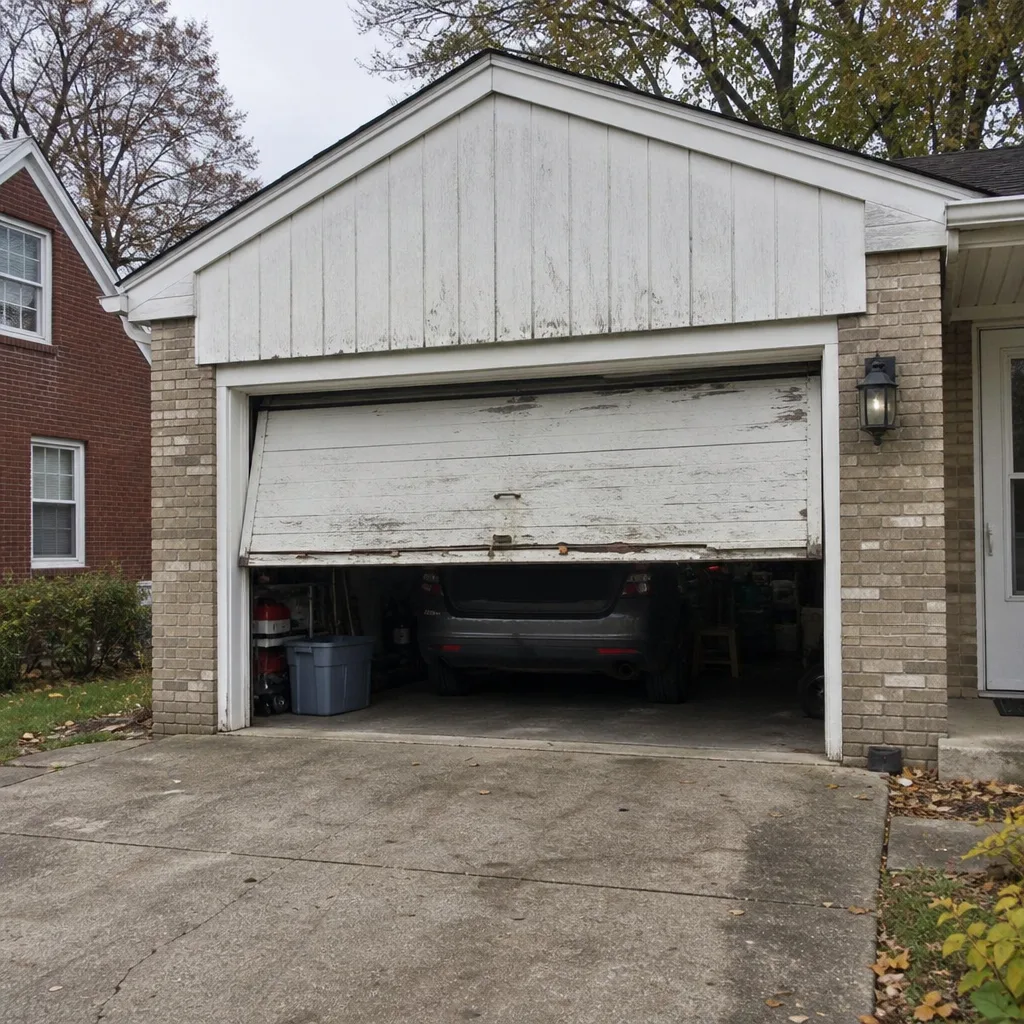 Before
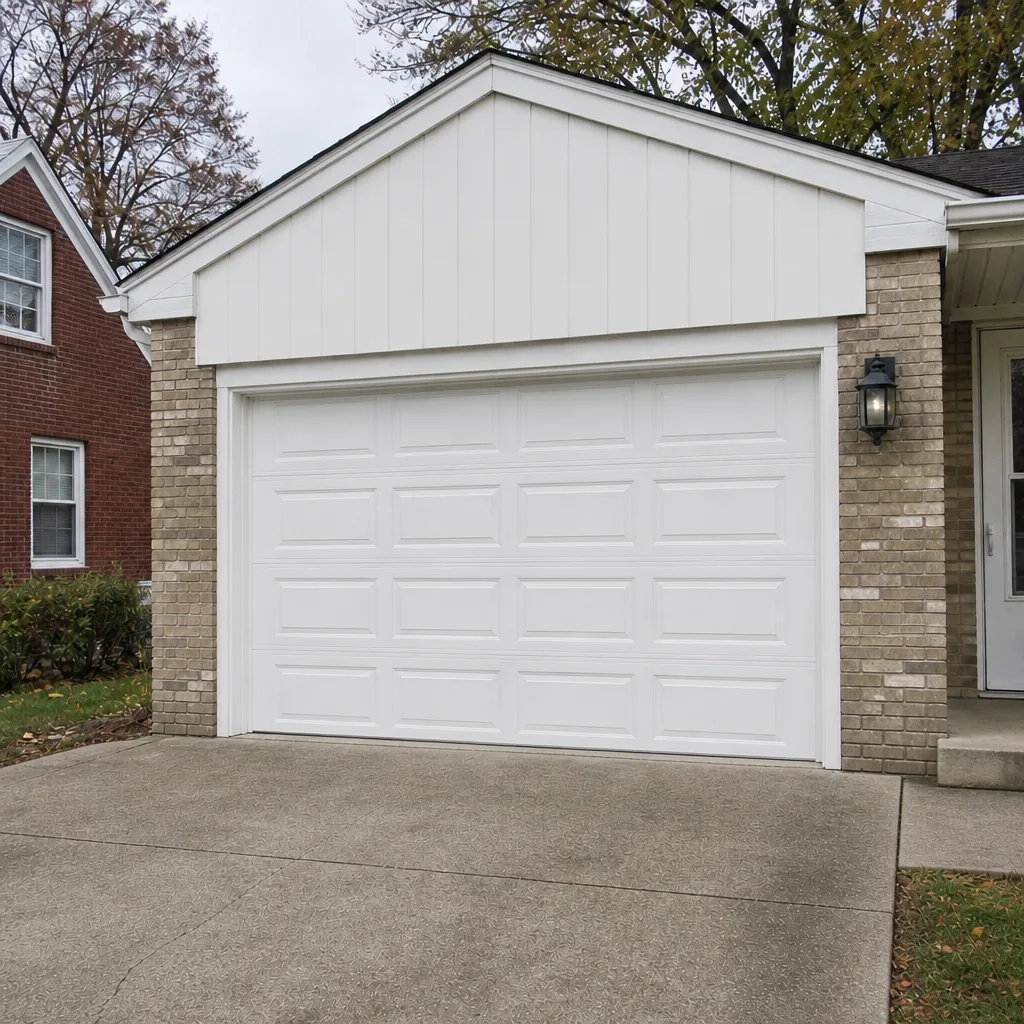 After
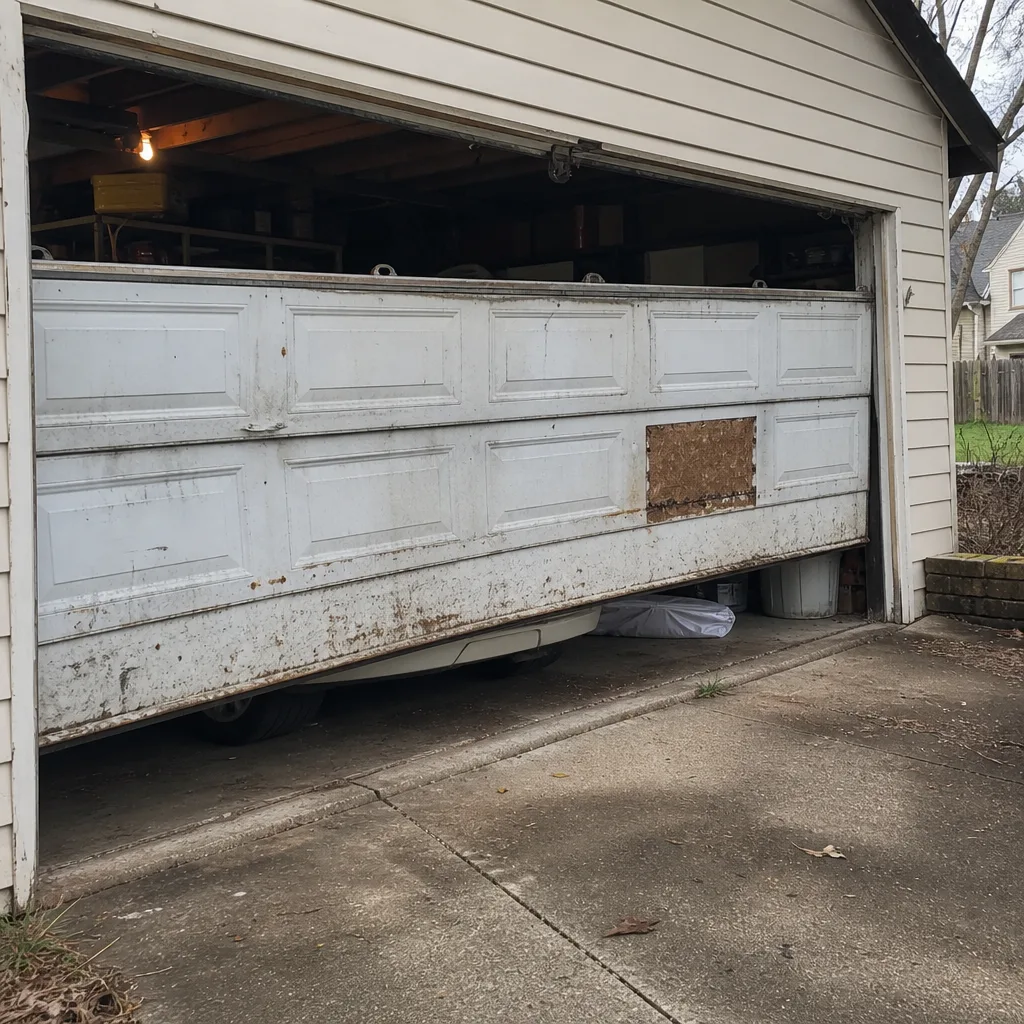 Before
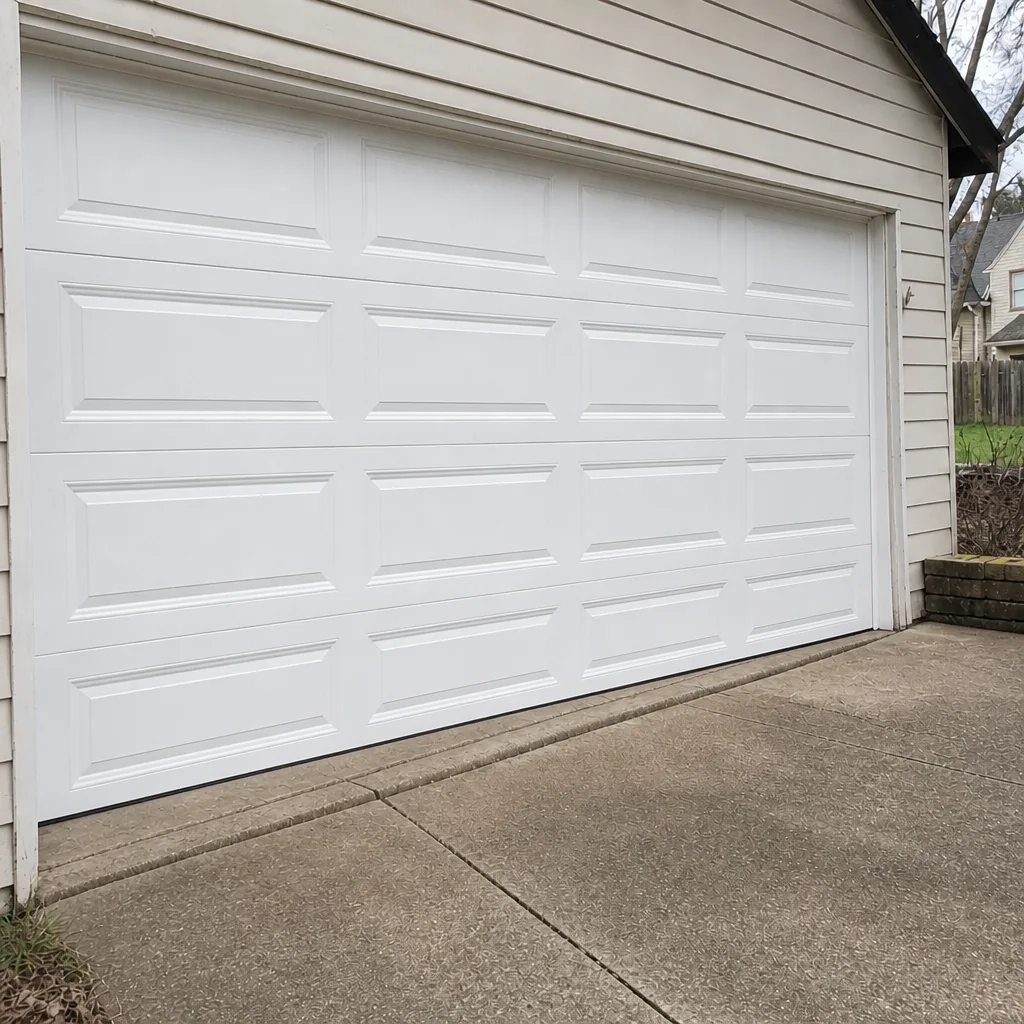 After
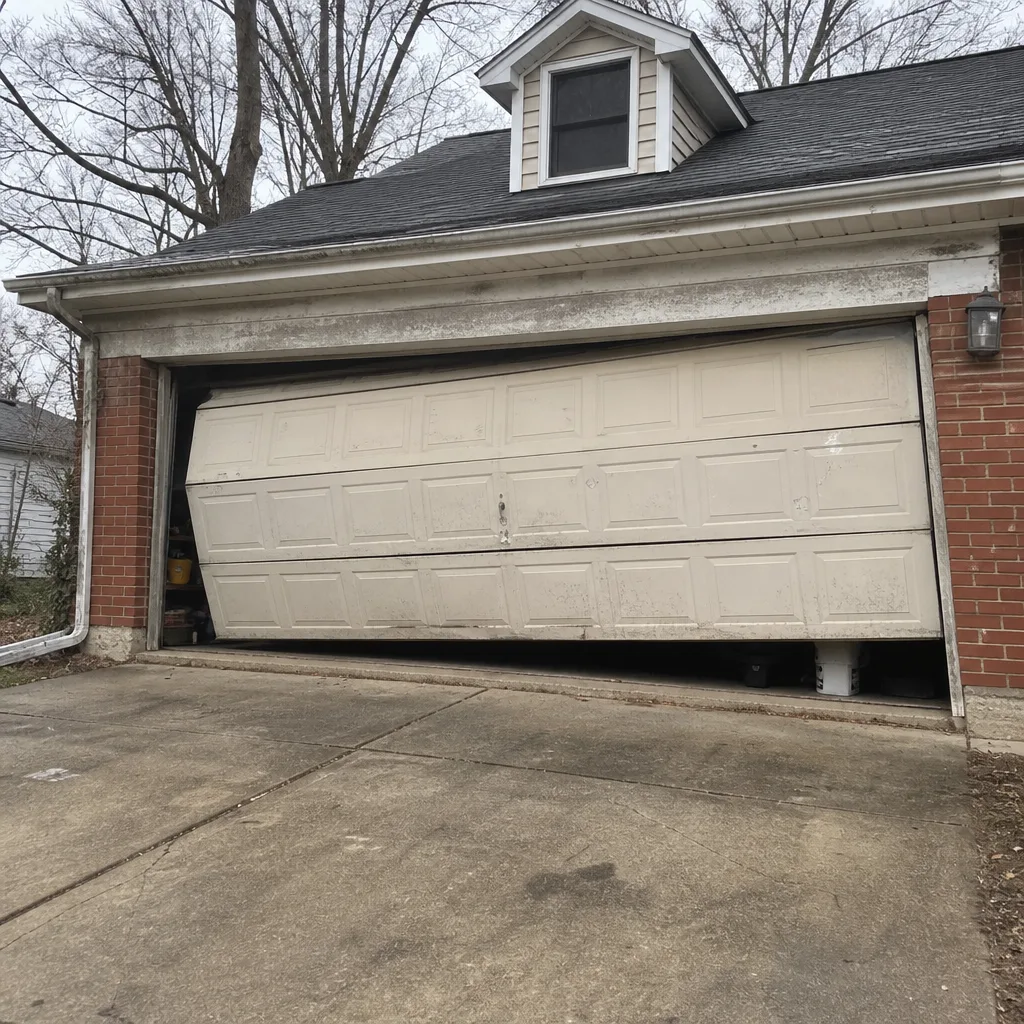 Before
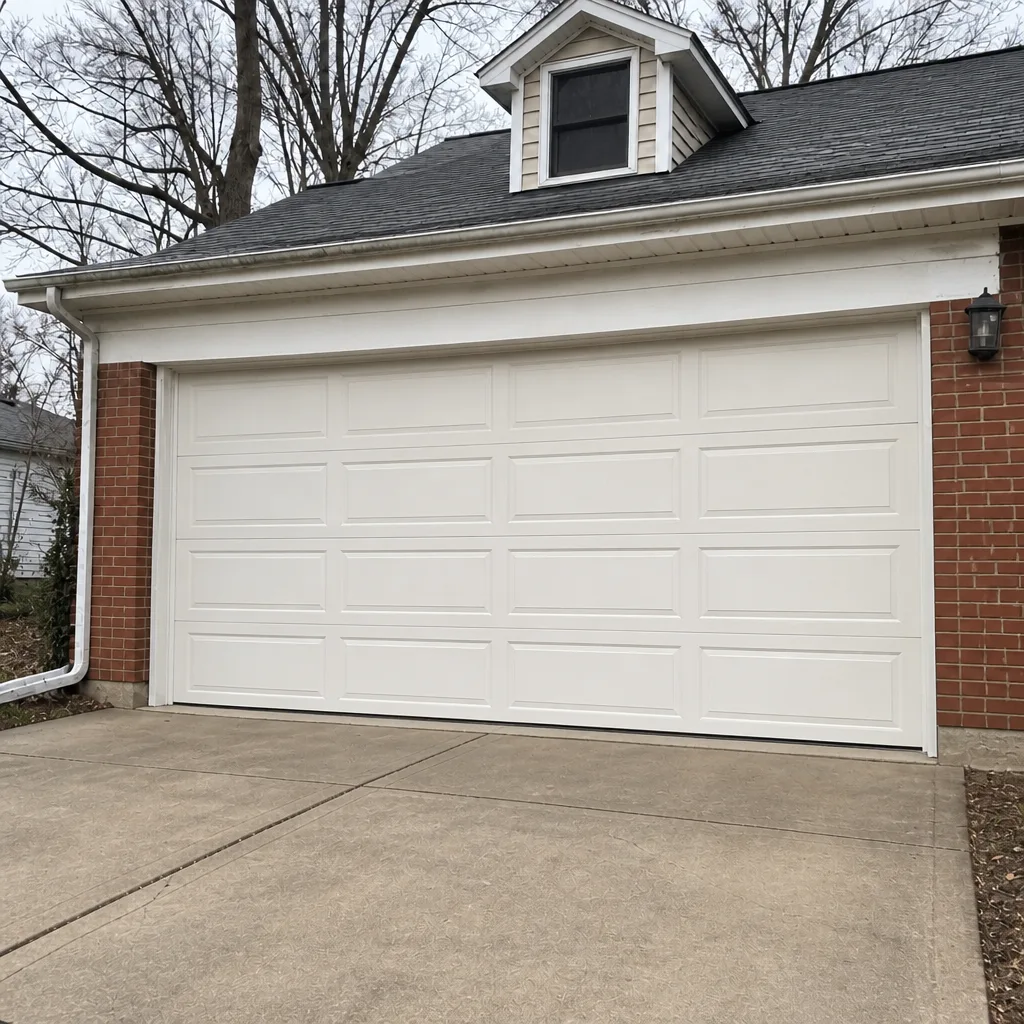 After